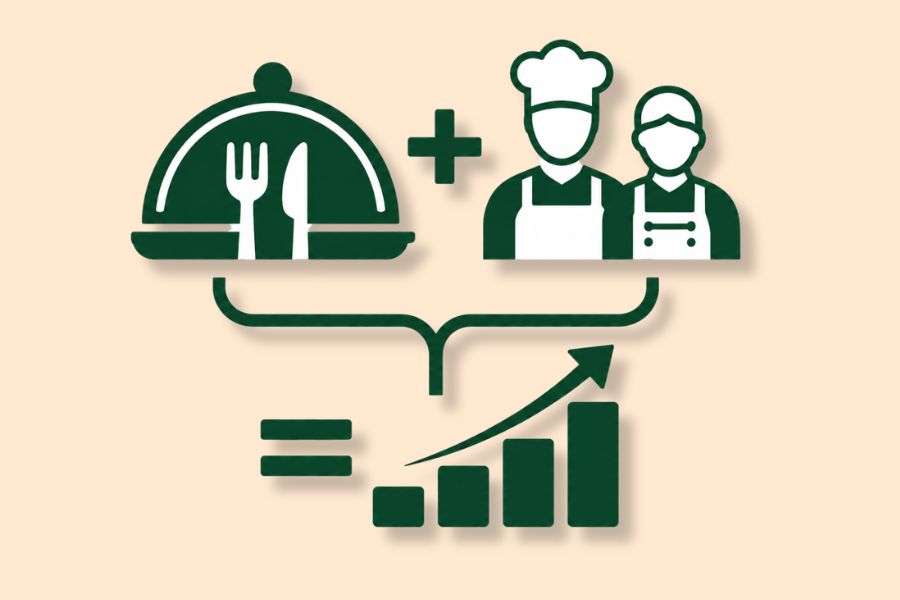

Service training directly affects guest experience and the commercial performance of a food service business. The front-of-house team does more than take orders. It guides the experience, explains the menu, recommends options and shapes the overall perception of the business.
In a restaurant, cafe, bar or hotel F&B department, service quality can influence average ticket, guest satisfaction and consistency in daily operations.
Product knowledge and better recommendations
The team needs to understand what it sells. When staff know the products, ingredients, flavours, menu categories and combinations that work well together, they can recommend with more confidence.
A good recommendation does not require pressure. It requires knowledge, timing and an understanding of the guest. For example, a suggestion for a side dish, wine, cocktail or dessert can improve the experience while also increasing the average ticket.
Service and commercial performance
Service training helps the team understand how recommendations connect with the menu, sales and margin. Different products have different value for the business. Some have high demand, some generate stronger margins and others work as premium options.
This is why training should be connected to menu engineering. When the team knows which products to highlight and how to present them, the menu works more effectively in practice.
Consistency in guest experience
Guest experience is shaped by the product, but also by the welcome, communication, pace of service, clarity of recommendations and overall sense of professionalism.
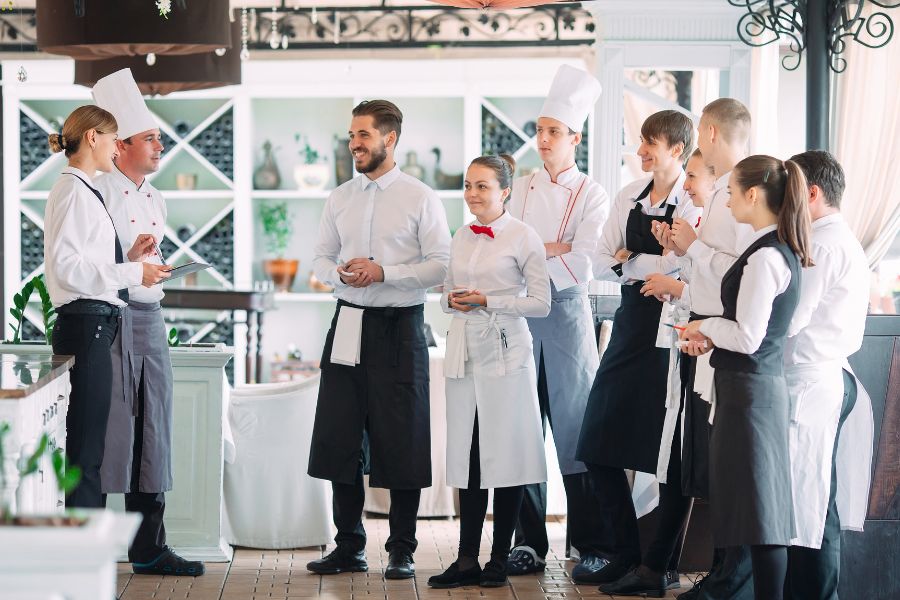
Training helps the team work in a shared way. This reduces inconsistencies between different shifts and creates a more stable experience. At this point, SOPs in hospitality can support training through clear procedures and roles.
Average ticket and daily execution
Improving average ticket does not need to rely only on price changes. It can also come from better product presentation, the right questions, pairing knowledge and more meaningful communication with the guest.
For training to create results, it needs to be applied in daily operations. Practical guidance, examples, follow-up and connection with sales data are important. The overall picture can be reviewed through restaurant reporting, so the business can understand whether changes are working.
Conclusion
Service training is a key tool for better guest experience, more consistent operations and improved commercial performance. When the team understands the menu, knows the role of each product and follows a shared service approach, the business gains more consistency in daily operations.
HORECA Plus supports food service and hospitality businesses through practical consulting services, helping them connect service, sales, menu structure, team training and business control.