
Food cost is one of the most important indicators for any food service business. However, in many restaurants, cafes and hospitality operations, it is still calculated roughly, based on experience or only reviewed when profit margins start to come under pressure.
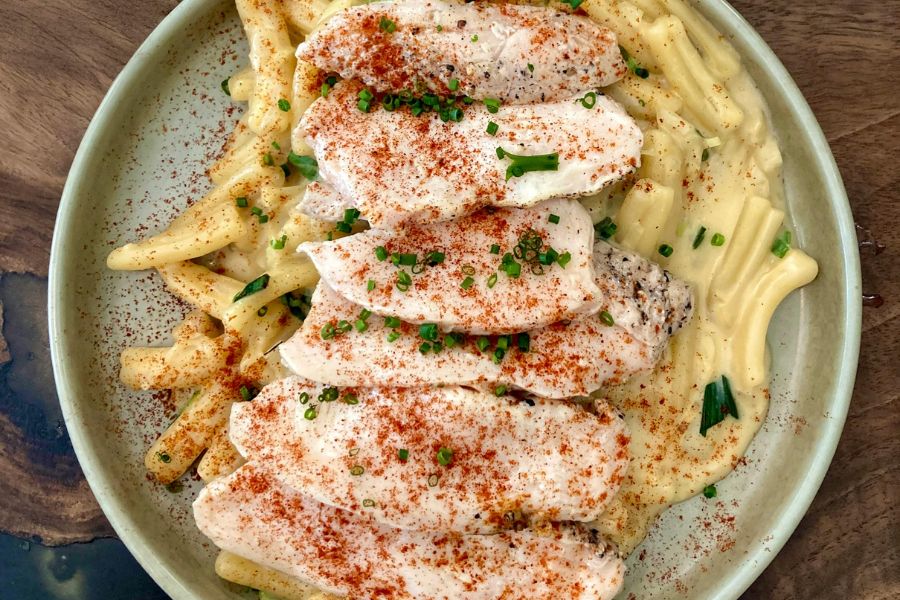
In simple terms, food cost is the cost of the ingredients required to produce a dish or product. It is not limited to the purchase price of an ingredient. It is connected to the recipe, portion size, waste, supplier price changes, stock control and, ultimately, the final selling price.
Why a rough calculation is not enough
Many businesses have an approximate idea of how much a dish costs. But an approximate idea is not enough for reliable decision-making. Small differences in quantity, purchase price or stock management can have a direct impact on the final profit margin.
For example, a product may appear successful because it sells well. But if its real cost is higher than expected, it may be reducing profitability instead of supporting it.
What should be included in food cost
A proper food cost calculation requires a clear view of several factors. It needs an accurate recipe, correct portion measurement, updated supplier prices, waste estimation and a connection to the final selling price.
It is also important that food cost is not calculated once and then left unchanged. Supplier prices change, portions may vary in daily operations and small operational inconsistencies can create cost deviations that are not immediately visible.
Food cost and pricing strategy
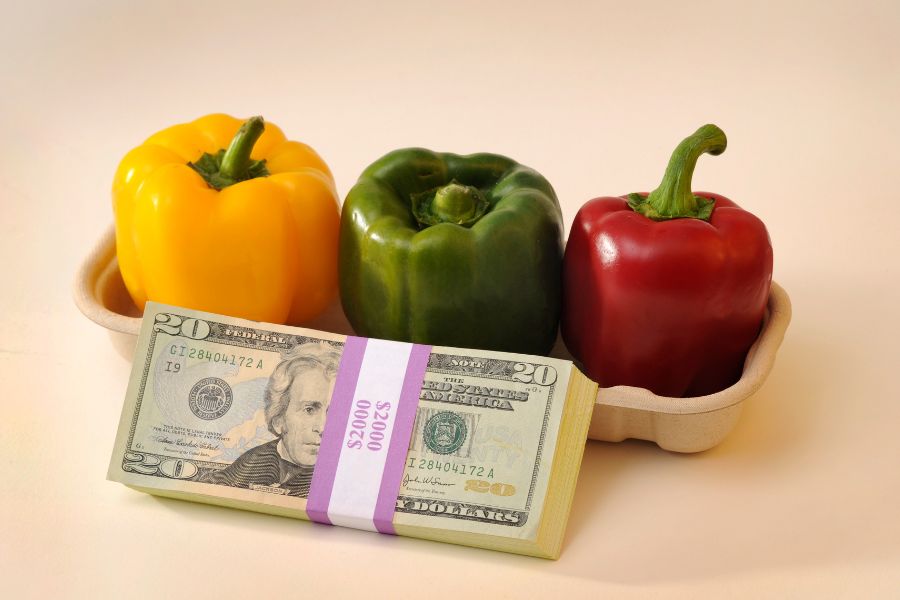
Costing is not just an accounting exercise. It is a management tool. When a business knows the real cost of its products, it can evaluate whether its prices are correct, which items need to be reviewed and which products genuinely support the overall result.
This also affects menu planning. A menu should not be based only on demand or concept aesthetics. It should be connected to cost, margin and the wider commercial strategy of the business.
Conclusion
Food cost is not a number that should be estimated “more or less”. It is a key control tool for any food service business that wants to make decisions based on real data.
HORECA Plus supports food service and hospitality businesses in building a clear view of costs, margins and pricing, so that costing is connected to daily operations and business profitability.