

Restaurant cost management starts with clarity. To make better decisions, a business owner needs to understand where costs are created, how they affect margins and which areas require closer control.
The daily operation of a food service business is shaped by many factors: ingredients, supplier prices, stock control, portions, payroll, operating expenses and internal procedures. When these areas are monitored separately, the overall cost picture remains unclear and decisions rely more on experience than on real data.
Start with the real cost of your products
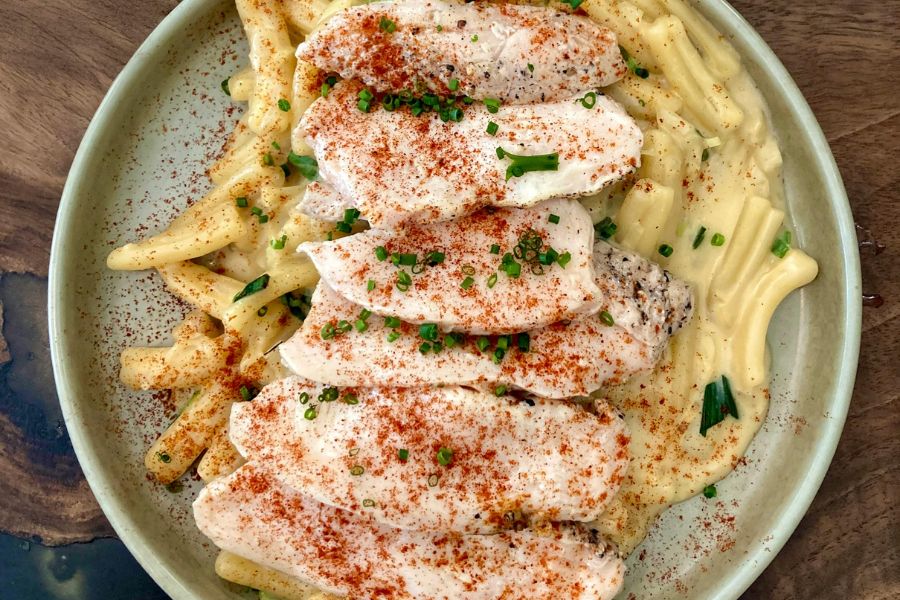
The first step is accurate product costing. A general estimate of how much a dish, drink or menu item costs is not enough for reliable control. A business needs a clear view of ingredients, quantities, waste, purchase price changes and final profit margin.
Costing helps the business understand which products genuinely support performance and which need to be reviewed. This is why cost management is directly connected to food cost and pricing strategy.
Review suppliers and stock control
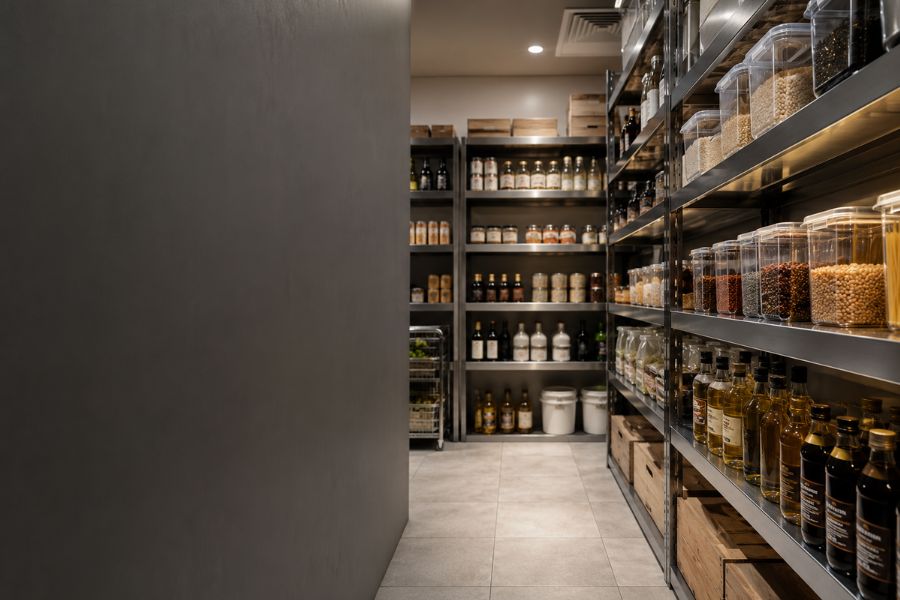
Cost is also affected by the way purchases, deliveries and stock are managed. Small changes in supplier prices, mistakes during deliveries or ingredient waste can reduce margins without becoming immediately visible.
A restaurant needs a consistent way to track suppliers, purchase prices and stock levels. This helps the business identify changes earlier, compare data and evaluate whether agreements and procedures are working properly.
Review the right numbers constantly
Cost management requires practical reporting. The owner should review key indicators such as food cost, beverage cost, payroll, operating expenses, average ticket and margins constantly. You can see more about this in our article on restaurant reporting.
With the right data, the business can understand whether sales are leading to real profitability or whether there are areas that need correction. This is especially important because strong sales do not always mean strong profitability.
Connect cost control with daily operations
Cost management needs to be connected to daily execution. Purchasing, preparation, portion control, stock handling, service and team responsibilities all affect the final result.
When procedures are clear, the business can reduce waste, mistakes and operational deviations. This is why operational structure and clear SOPs are also part of better cost control.
Conclusion
Effective restaurant cost management starts with clear assessment, consistent monitoring and a connection between numbers and daily operations. When a business understands its real costs, deviations and margins, decisions become more stable and better connected to actual performance.
HORECA Plus supports food service and hospitality businesses through practical HORECA consulting services, helping them connect costing, suppliers, stock control, pricing and reporting into a clearer business control framework.