
Restaurant stock control has a direct impact on cost, product costing and final profit margin. Even small ingredient losses, delivery mistakes or products that are not monitored properly can create significant financial pressure during the month.
In a food service business, stock is a control point between purchasing, production, sales and profitability. When stock data is unclear, the business has less visibility over where cost is created and how it affects the final result.
Small losses add up
A small quantity of product thrown away, an incorrect portion, a delivery that was not checked properly or an ingredient that expired in storage may seem minor on its own. When these issues repeat daily, the total cost becomes much greater.
Losses may not always appear directly in revenue. They appear in food cost, margin and the real performance of menu items. This is why stock control is closely connected to restaurant cost management.
Stock affects product costing
For product costing to be accurate, the business needs a clear view of ingredients, quantities, purchase prices and real waste. When stock is not monitored properly, costing may rely on data that does not reflect daily operations.
This also affects pricing. A dish may have been priced based on a specific cost, but if waste, supplier prices or quantities change in practice, the real margin becomes lower. You can read more about this connection in our article on food cost.
Deliveries, stock counts and responsibility
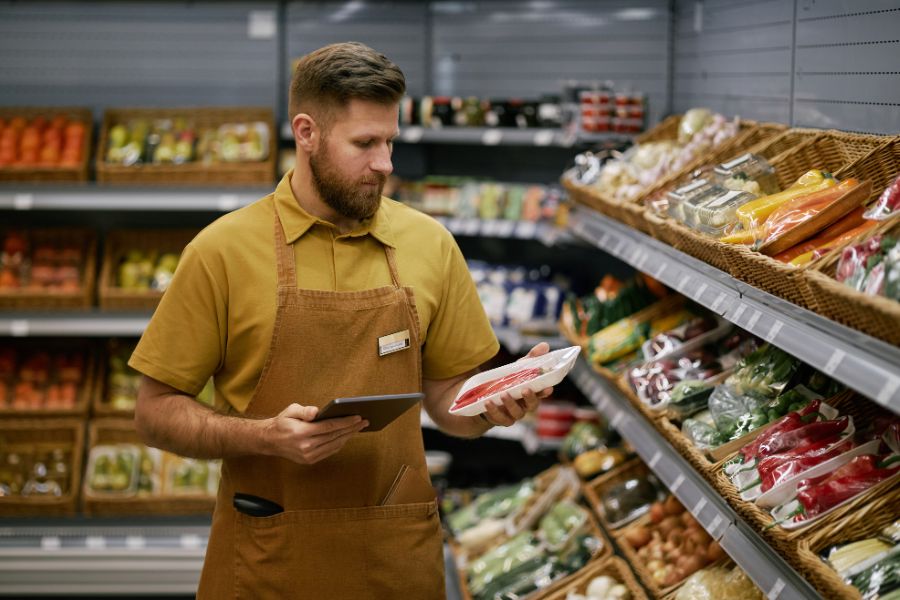
Stock control starts with deliveries. The team needs to know what should be checked, who records quantities and how the business confirms that products and prices match the order.
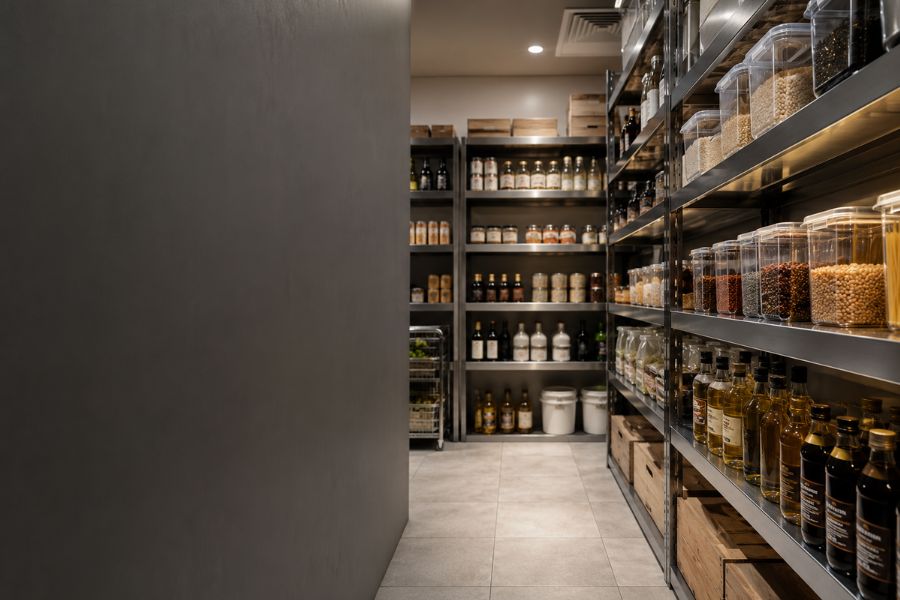
Regular stock counts are equally important. Even a simple and consistent process can help the business identify deviations, expired products, excess stock or slow-moving ingredients.
Clear responsibility helps the team work with more consistency. When there are specific procedures for deliveries, storage and stock checks, mistakes and losses are reduced. This connects directly with SOPs in hospitality.
Stock as a decision-making tool
A clear stock picture helps the business owner make better decisions about suppliers, pricing, production and menu structure. It can show which products create frequent losses, which ingredients are purchased in larger quantities than needed and which supplier agreements may need to be reviewed.
In this way, stock control becomes part of wider restaurant reporting and not something that is checked only after a problem appears.
Conclusion
Small stock losses can have a significant impact on cost and profitability in a food service business. Better monitoring of suppliers, inventory, deliveries and waste gives the business a clearer picture and supports decisions based on real data.
HORECA Plus supports food service and hospitality businesses through practical HORECA consulting services, helping them connect stock control, suppliers, costing and reporting into a clearer business control framework.